
 English
 Español
 العربية
 中文
中文Устранение неполадок с клеем для кромки
Edge banding adhesive troubleshooting is an important part of maintaining consistent quality in furniture, cabinet, and woodworking production. When edge banding does not bond properly, the result can be visible defects, weak adhesion, peeling edges, or reduced product life. Troubleshooting starts with identifying the symptoms, then checking the material, machine settings, adhesive condition, and working environment.One common issue is poor bonding strength. If the edge banding is lifting or can be pulled away easily, the first thing to inspect is the adhesive temperature. Many hot melt adhesives require a specific application range to activate properly. If the temperature is too low, the adhesive may not melt fully and will not wet the surface correctly. If the temperature is too high, the adhesive may become too thin, lose viscosity, or begin to degrade. Both situations can cause weak adhesion. It is also important to verify the pressing pressure and feed speed. Insufficient pressure can prevent full contact between the edge strip and the panel, while excessive speed may not allow enough time for bonding.Surface preparation is another major factor. Dust, oil, moisture, or machining residue on the panel edge can block the adhesive from forming a strong bond. The edge surface should be clean, dry, and smooth before application. Panels made from porous materials may absorb adhesive too quickly, requiring adjustments in adhesive quantity or formula. On the other hand, dense or laminated surfaces may need improved surface activation to ensure proper wetting.Adhesive application problems can also create defects. Too little adhesive may leave gaps, while too much adhesive can squeeze out excessively and create a messy finish. Uneven glue spread may cause one side to bond well and another side to fail. Checking the glue roller, nozzle, or application head for wear, blockage, or misalignment is essential. Regular cleaning helps prevent carbon buildup, contamination, and inconsistent flow.Environmental conditions can affect performance as well. High humidity, low shop temperature, or rapid temperature changes may interfere with curing and bonding. In cold conditions, both the panel and the edge banding material may need to be warmed before processing. Edge banding material that is too stiff, warped, or contaminated may also reduce bonding quality.When troubleshooting edge banding adhesive, it is useful to test one variable at a time. Adjust temperature, pressure, and speed separately to identify the main cause. Keeping detailed records of settings, material types, and defect patterns can help prevent repeat issues. Routine maintenance, proper storage of adhesive, and careful control of processing conditions are the best ways to achieve stable edge banding results.If you want, I can also rewrite this in a more technical, more simple, or more SEO-friendly style.
продукт
классификация:
-
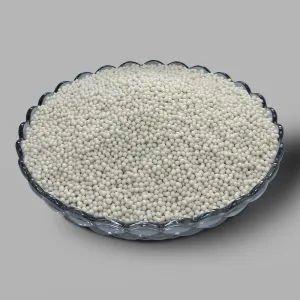
К-805
Их классификация: К-сериямнения: 242номер:Время выпуска: 2026-07-28 15:12:10Совместимое оборудование: Автоматические кромкооблицовочные станки.Область применения: Подходит для ПВХ, меламиновой бумаги, кромки шпона. В основном используется для утолщенных панелей при производстве деревянных дверей и других утолщенных панелей, особенно для оборудования с плохими условиями обогрева.Характеристики: Короткое время отверждения, хорошая начальная схватываемость, отсутствие липкой нити, морозостойкость и термостойкость, отличная стойкость к растворителям, хорошая прочность на отслаивание.
новости
классификация:
-
[industry news]Как правильно выбрать термоклей?
2026-07-20 16:07:57
случай
классификация:
Нет результатов поиска!
видео
классификация:
Нет результатов поиска!
скачать
классификация:
-
[Certificates & Reports]Pur-yousheng (Здание G, корпус GU) ~ SGS (RoHS 10) 2026 г.
2026-07-30 15:59:33
вербовка
классификация:
Нет результатов поиска!
Рекомендуемые продукты
Нет результатов поиска!



 телефон